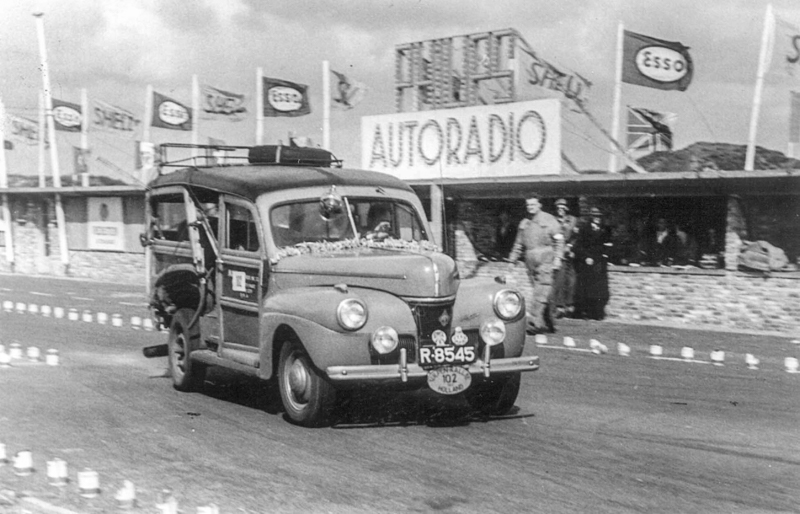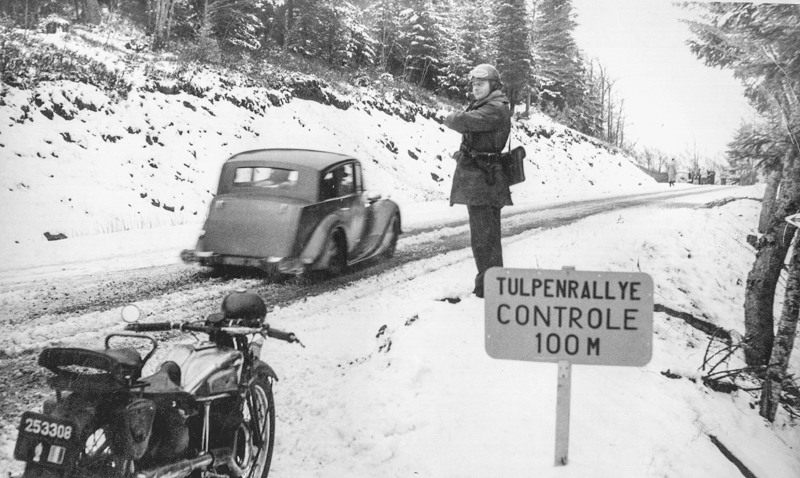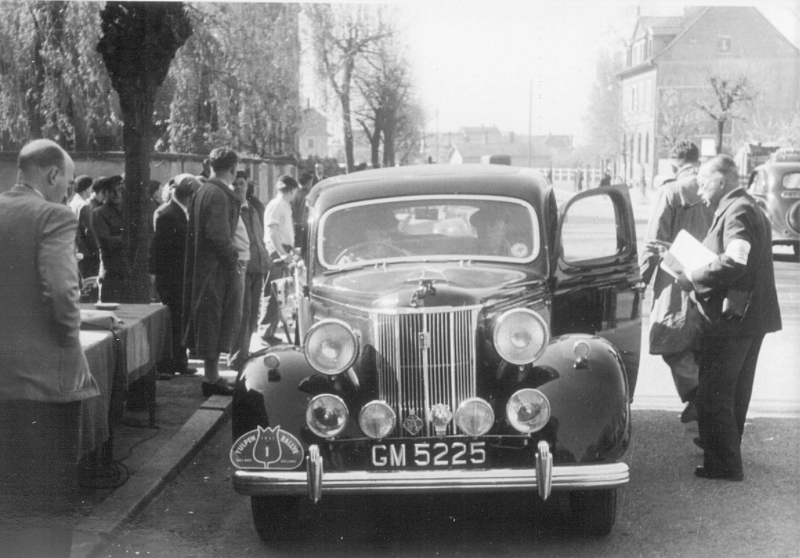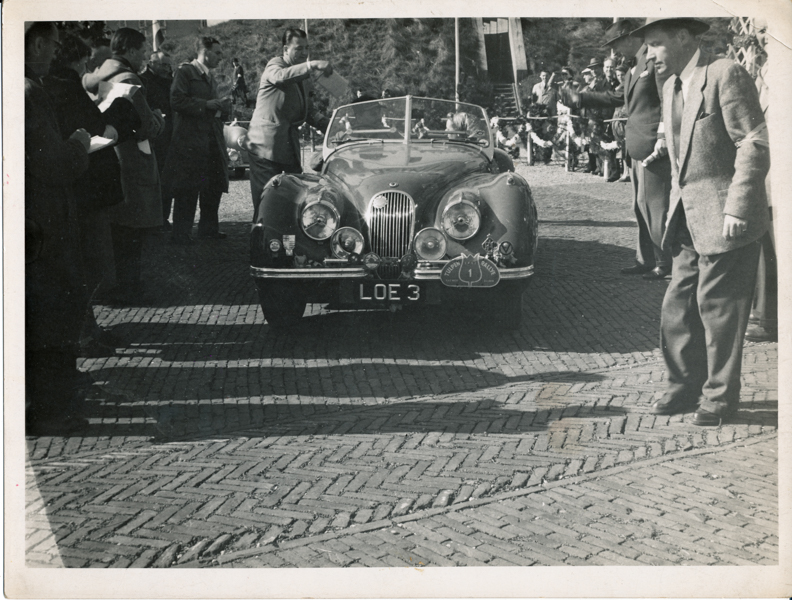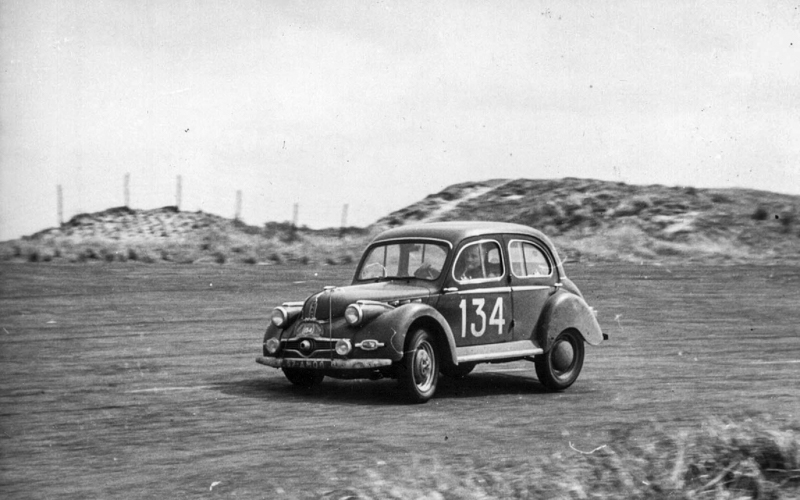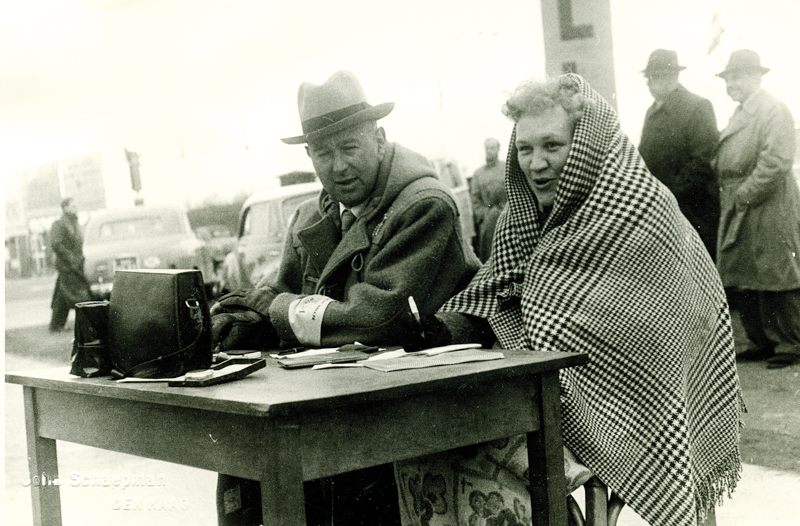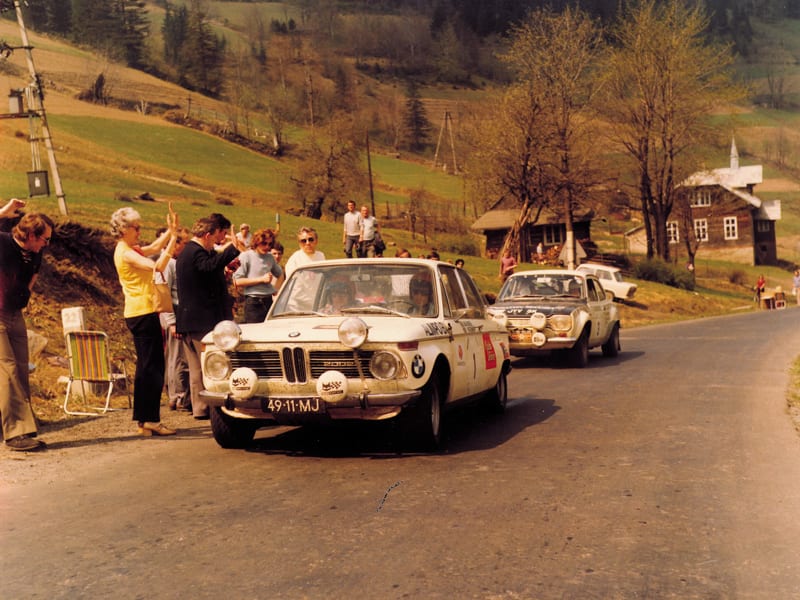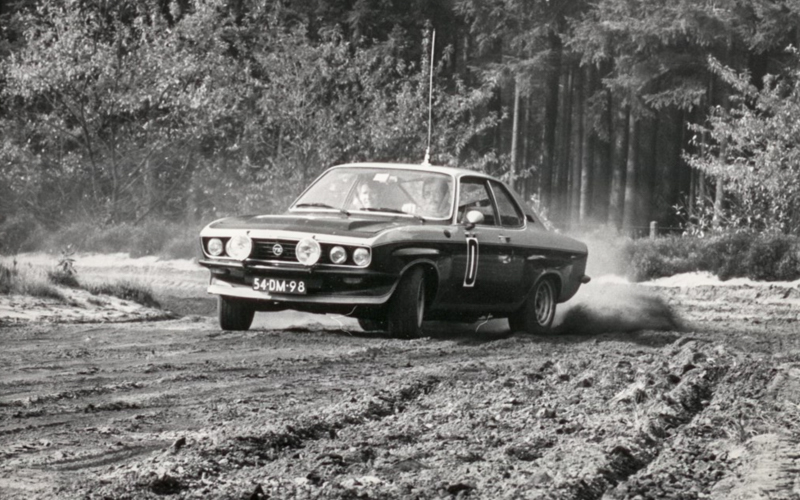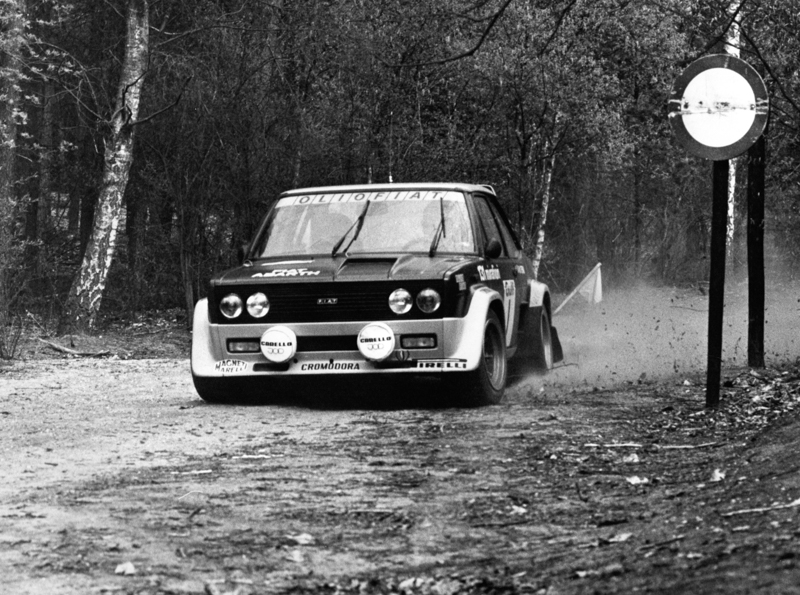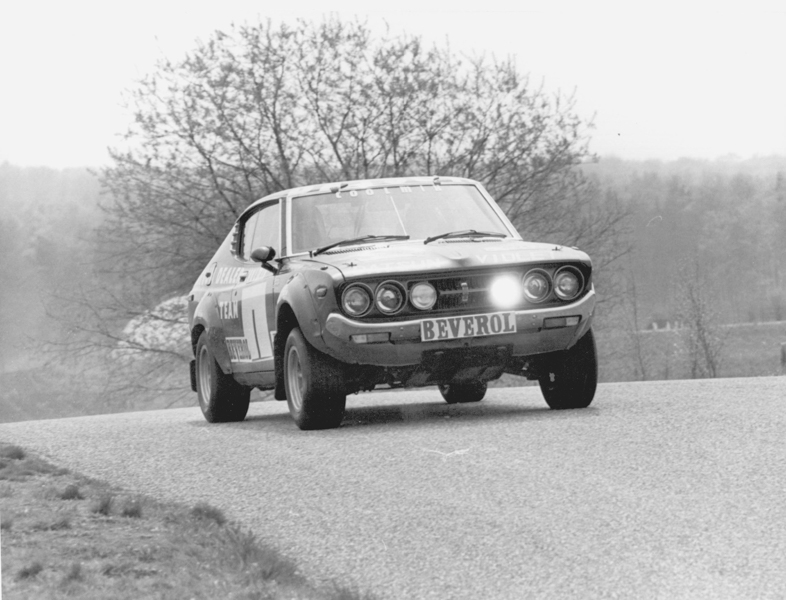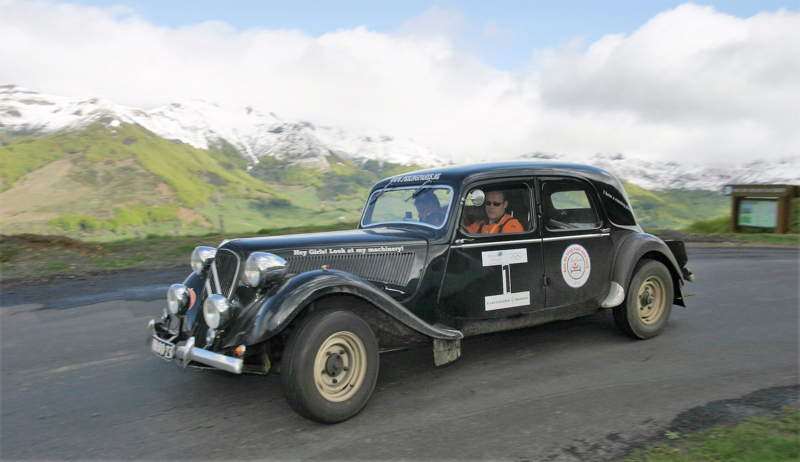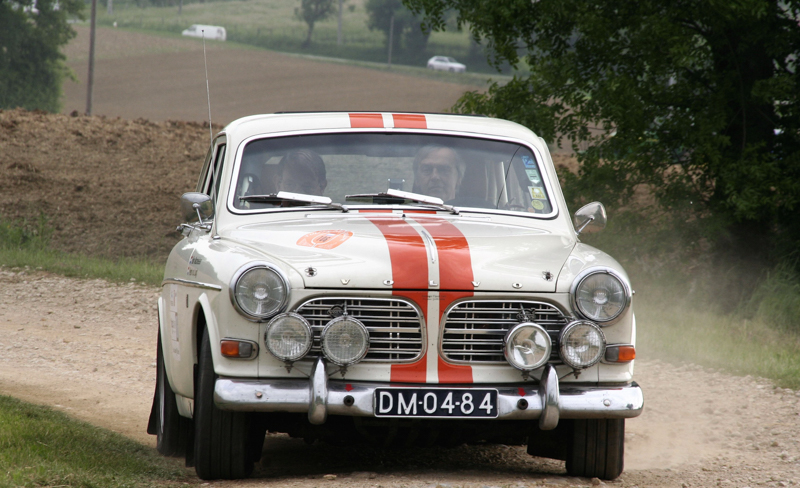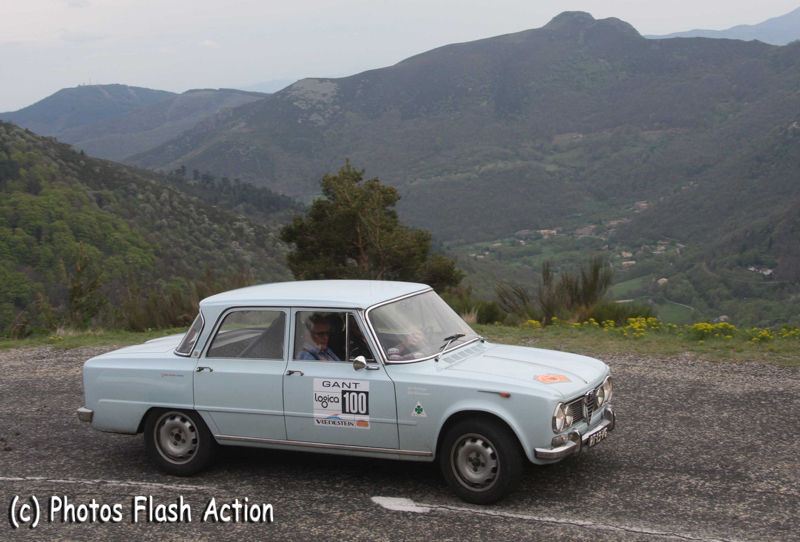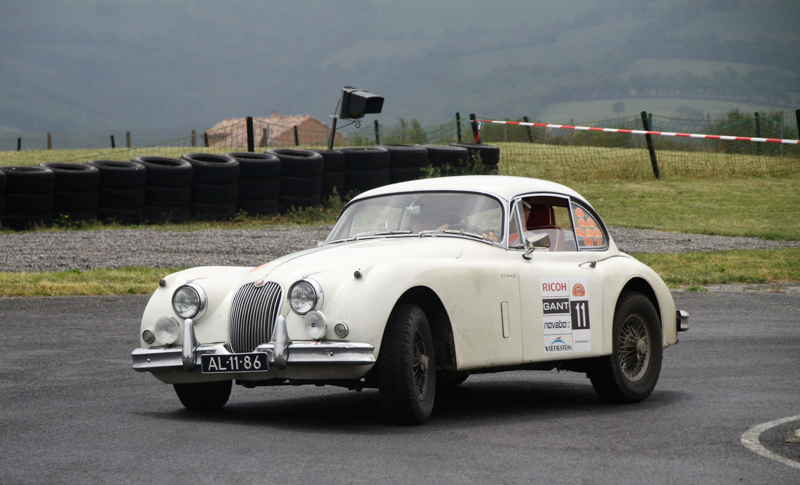








The Tulpenrallye has been running since 1949 — the oldest and largest classic car rally in the Netherlands. Tens of thousands of kilometres have been covered by thousands of rally crews, for the most part through France, the country at the heart of the Tulpenrallye’s history. Wonderful experiences, friendships for life, hardship endured, a great deal of work done, and no shortage of tall tales.
As the board of Stichting Tulpenrallye we are proud of the fine history of this event, and we guard the heritage created by our predecessors Piet Nortier, Maurice Gatsonides and Lex van Strien. The distinctive character of the Tulpenrallye is safeguarded by all the volunteers involved in the organisation.
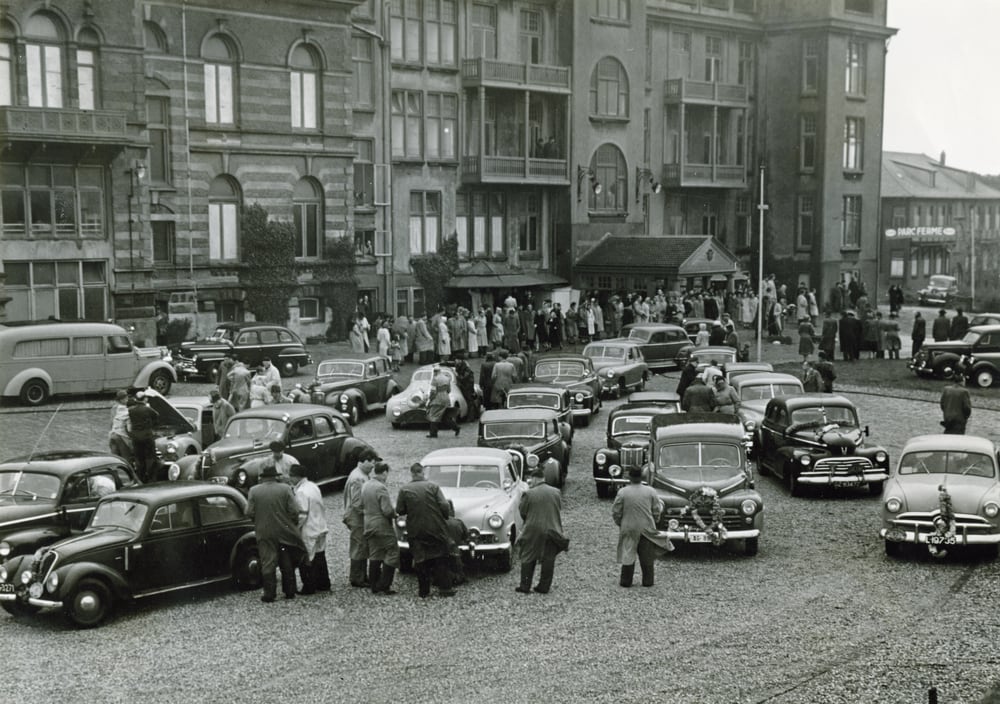
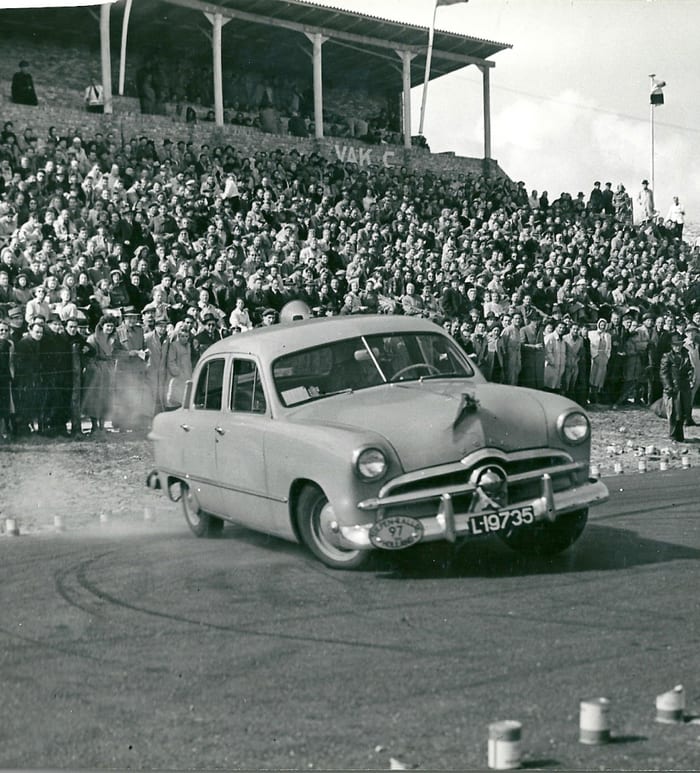
In 1948, Maurice (Maus) Gatsonides — at that time the best-known rally driver in the Netherlands — fell into conversation with the French Simca driver Marc Angelvin after an Alpen Tour Rally. Over a glass of good wine they discussed why no international rallies were yet being held in the Netherlands. Gatso pointed out that the Low Countries have no mountains to rally in. Angelvin replied that from the Netherlands you can drive anywhere, and that the tulip would make a fine symbol for a rally. In 1949 the Regionale Automobiel Club West (R.A.C.-WEST) organised a Rallye des Tulipes. The rally therefore had its origins in France, which is why the Dutch name Tulpenrallye ends in an “e”. With 159 crews on the start line the event was an immediate success, and a rich tradition was born. Gatso was of course involved in the organisation, but the real work was done by Lex van Strien, Jos van Calsteren, Jaques Lioni and by “Mr. Tulpenrallye” Piet Nortier.
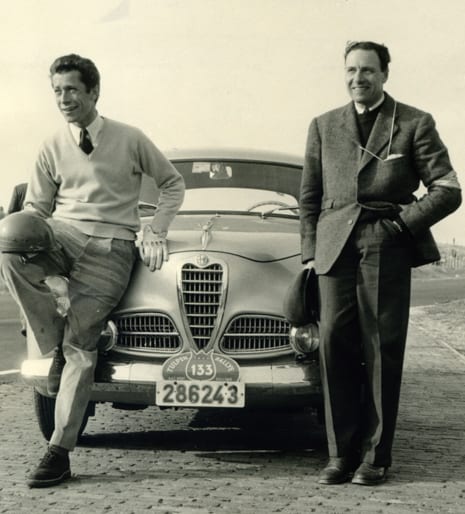
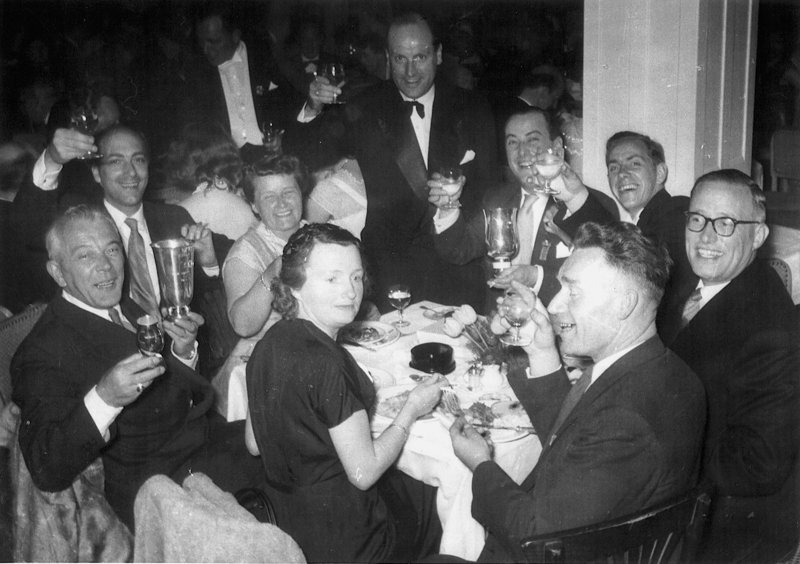
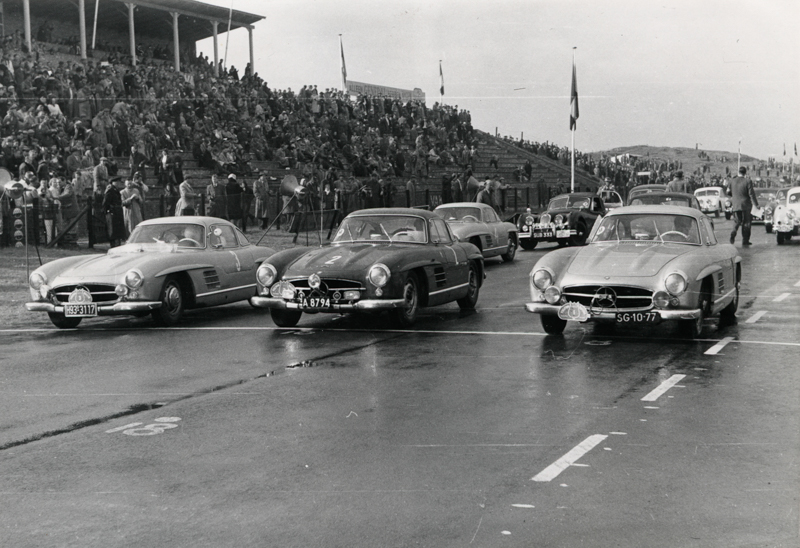
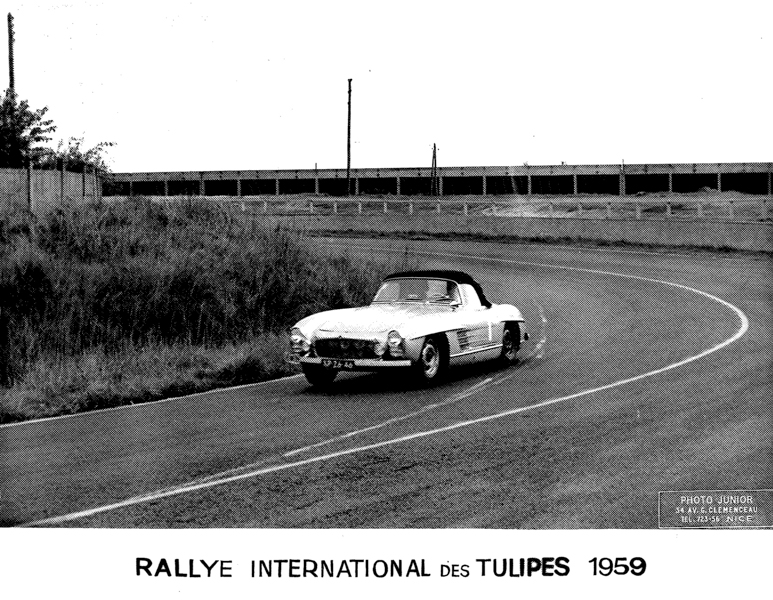
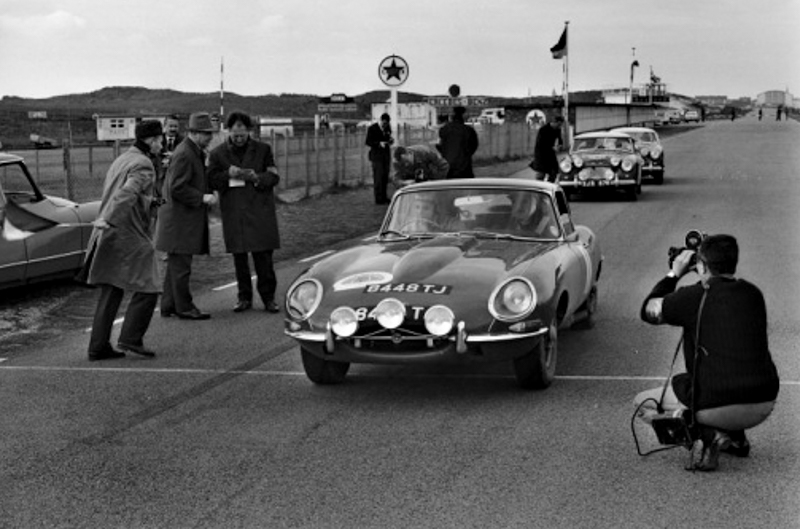
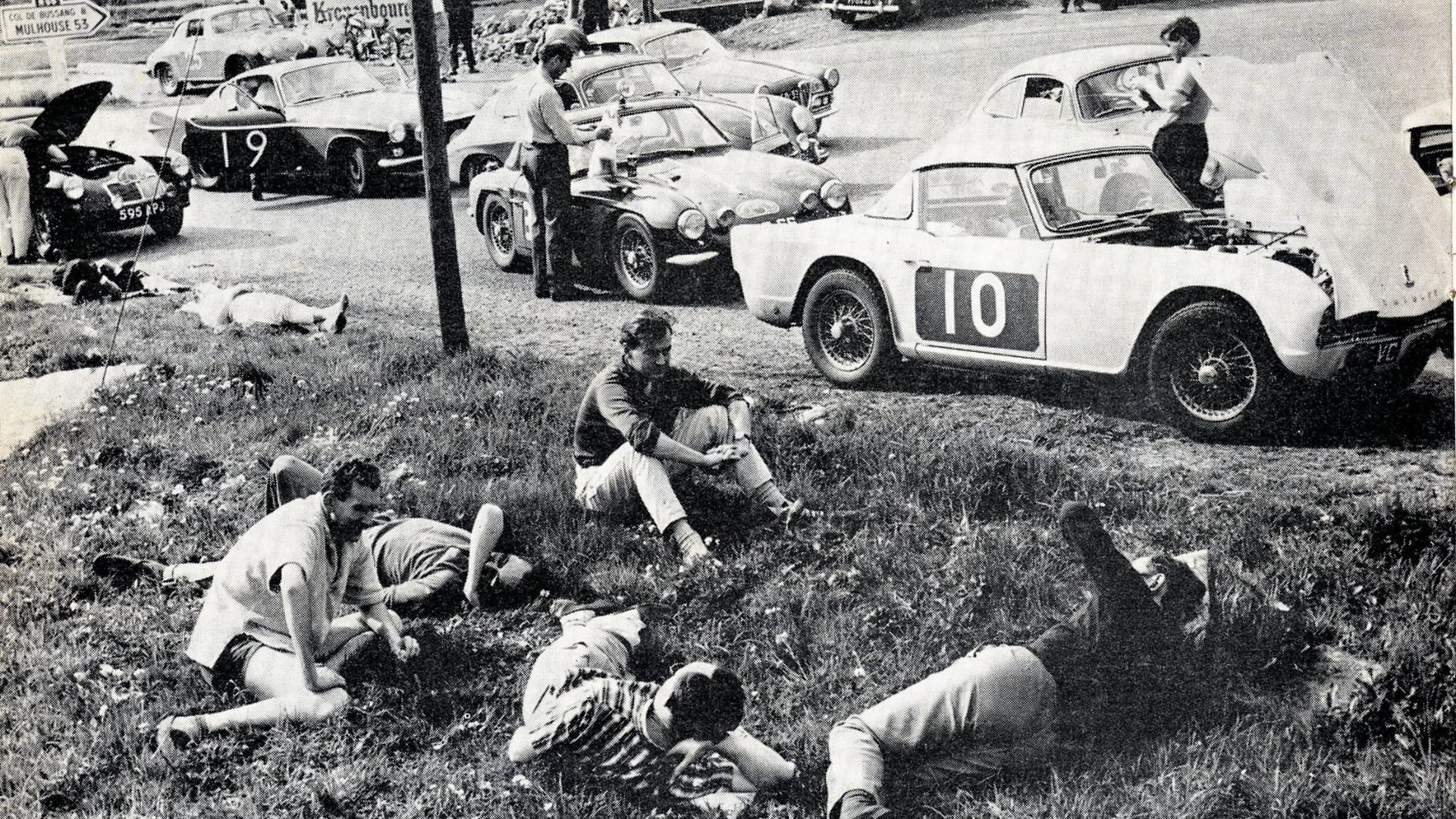
The first Tulpenrallye, in 1949, was run as a star rally from a number of different starting points. With 159 cars at the start and 156 at the finish, the organisers could be well pleased with the interest shown. Creating enough of a challenge — and with it a classification worth the name — was not easy in those first years: in that opening edition 121 crews reached the finish without a single penalty point, which left the closing test at the Zandvoort circuit to decide the result. Noordwijk was the finishing town from the very first year, and the village put a great deal of effort into receiving the crews; the closing party at the Grand Hotel Huis ter Duin soon had a reputation across Europe. The second year, 1950, brought 281 crews to the start — the largest field the event has ever had. By the third edition a thousand people were involved in running the rally, and many editions of this period had to contend with the severe winters of the time. In 1953 Count Hugo van Zuylen van Nijevelt and Frans Eschauzier became the first Dutch winners. From 1954 the organisers began to feel they had found a formula that gave every competitor enough of a challenge and built a classification out on the road. The number of approach routes was reduced from 1957 and dropped altogether in 1959 — an edition that proved too hard for a good many crews.
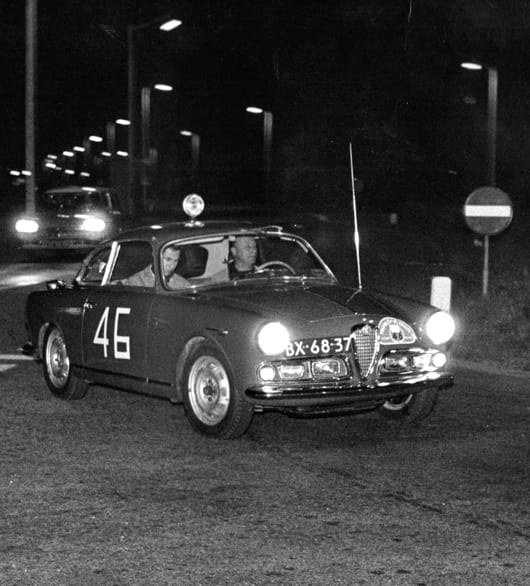
Two hundred and four crews came to the start in 1960, among them a growing number of works teams, and the first three editions of the sixties are among the finest in the event's history. Monaco was the turning point of the rally in each of them. With so much at stake commercially for the manufacturers, every edition was fiercely contested, and informal alliances between crews became part of the tactics. From 1963 the French authorities placed limits on the support they would give, and the rally no longer ran all the way to the south of France — though the Jura and the Vosges offered challenges enough. In 1965 an amateur class was introduced to give the private entrants a classification of their own, separate from the works cars competing for the European Championship. From 1966 the first financial difficulties appeared, when the French authorities wanted paying and the sponsorship barely stretched. Even so, 1966 was one of the most successful editions the event has known, won by Rauno Aaltonen and Henry Liddon in a BMC Cooper. New sponsorship was found in 1967 and the organisation was put on a more professional footing. By 1968 "the Tulip" ranked with the Monte Carlo Rally among the most important rounds of the European Championship, and competitors reckoned the twentieth edition the best Tulpenrallye yet.
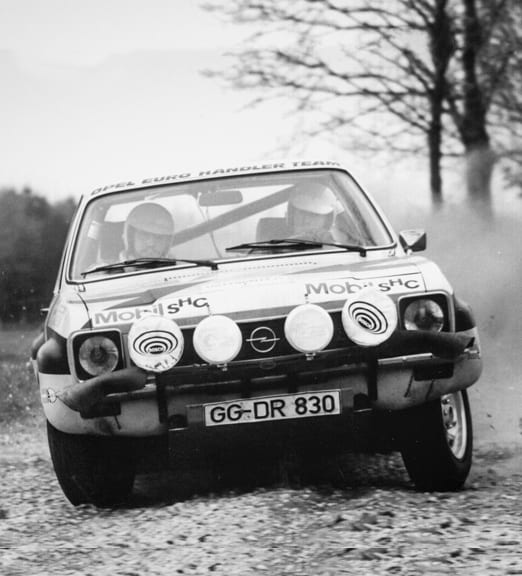
Piet Nortier fell ill and withdrew from the organisation in 1969. The rally had to be rebuilt on a different footing. Traffic on the public road was growing heavier, the various authorities imposed more and more restrictions, and making the event add up financially was no simple matter. In 1969 the Tulpenrallye lost its European Championship status and started and finished at Rotterdam. The same formula was used in 1970, when a number of DAFs entered by the Dutch factory made a strong impression. Because of those same pressures, no Tulpenrallye could be organised in 1971 or 1972 — a heavy blow after twenty-two editions of steadily growing success. In 1973 a new organisation was set up together with the magazine Autovisie and a rally was run from Warsaw in Poland. Communication proved a considerable problem and there were many protests at the finish. The venture was not repeated, so 1973 too passed without a Tulpenrallye. In 1974 André Jetten and Bob de Jong took the initiative through the Dutch Rally Foundation to organise a Tulpenrallye run entirely on Dutch soil. It was put together at short notice and went reasonably well, but it had no sequel either. Nor was there a Tulpenrallye in 1975.
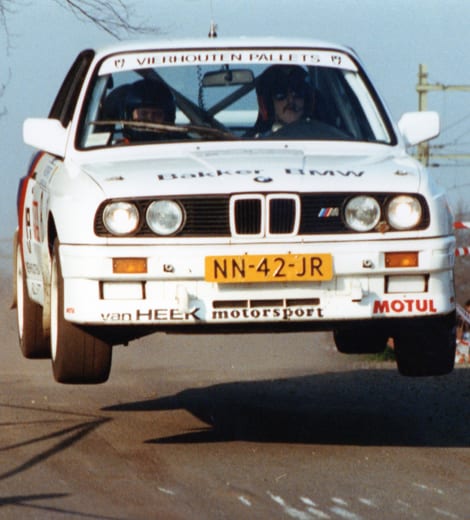
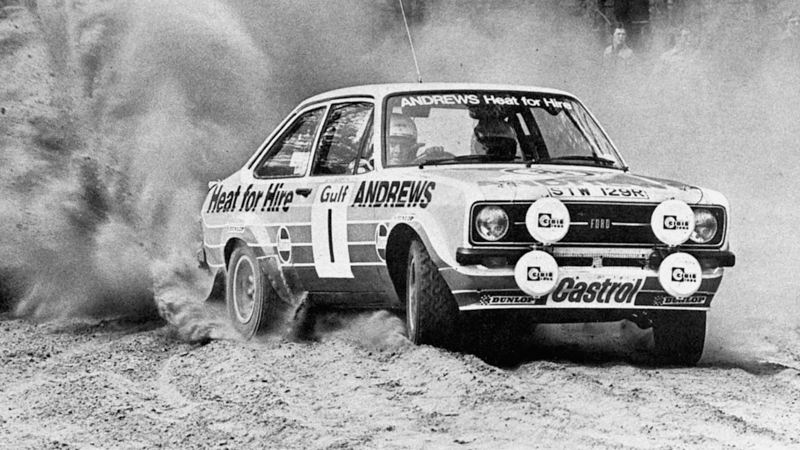
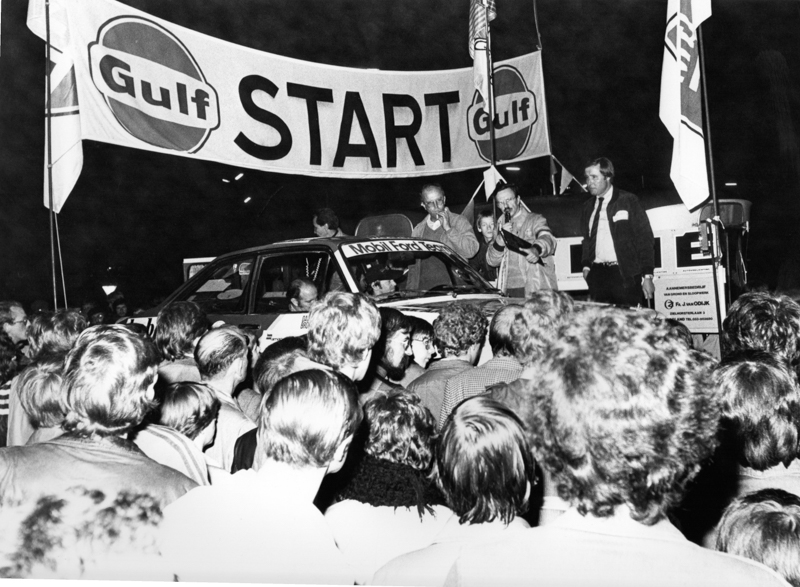
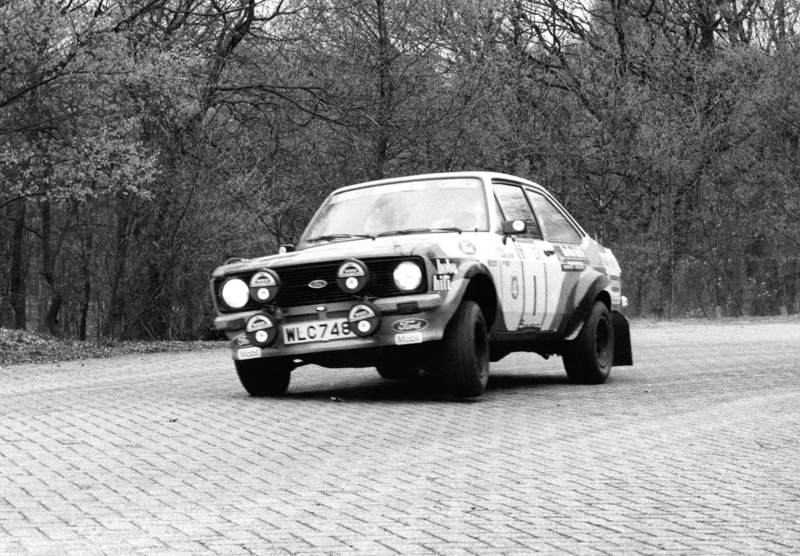
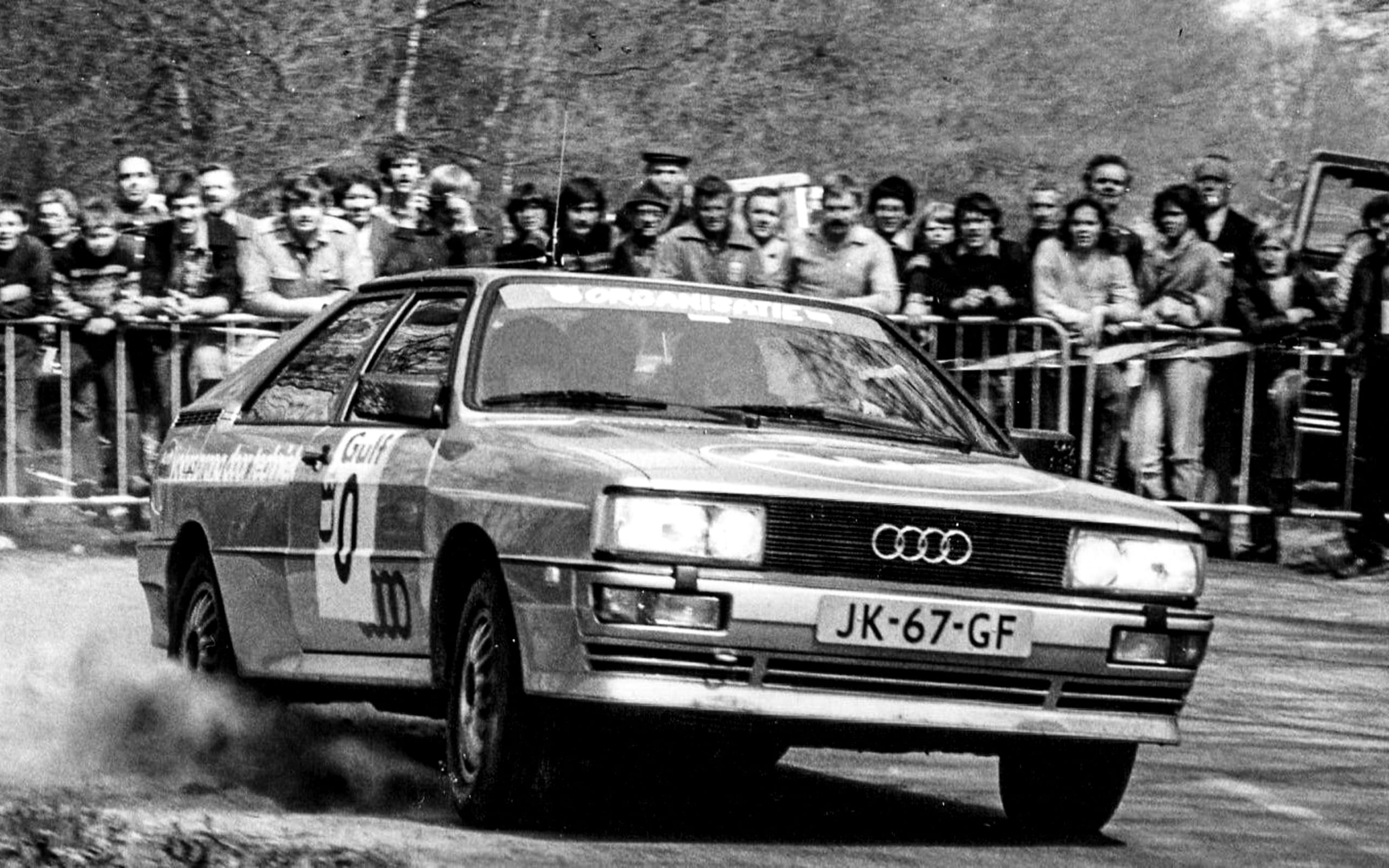
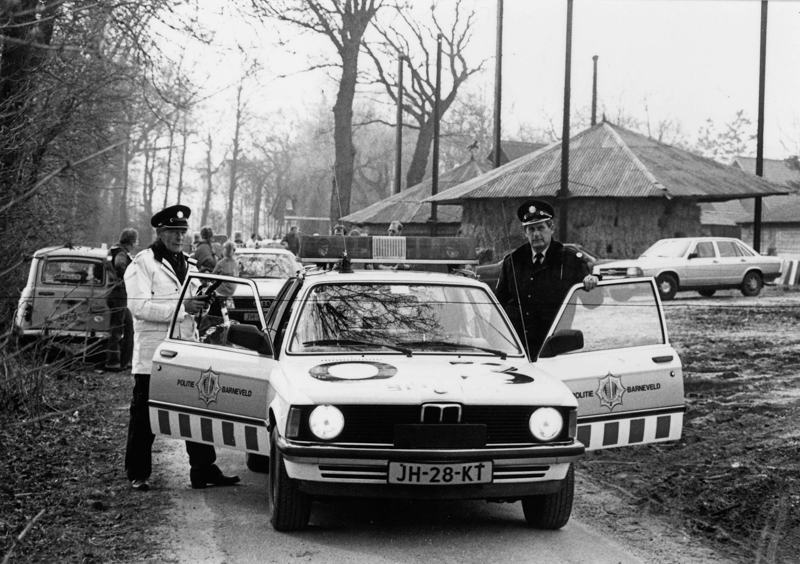
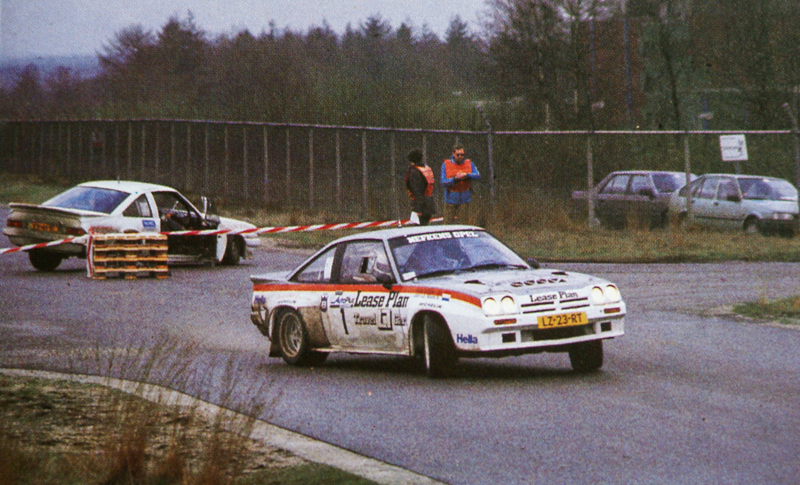
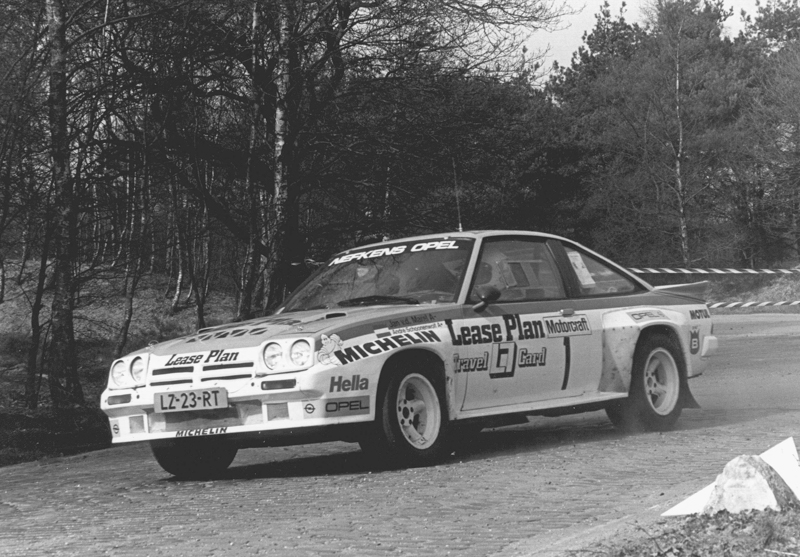
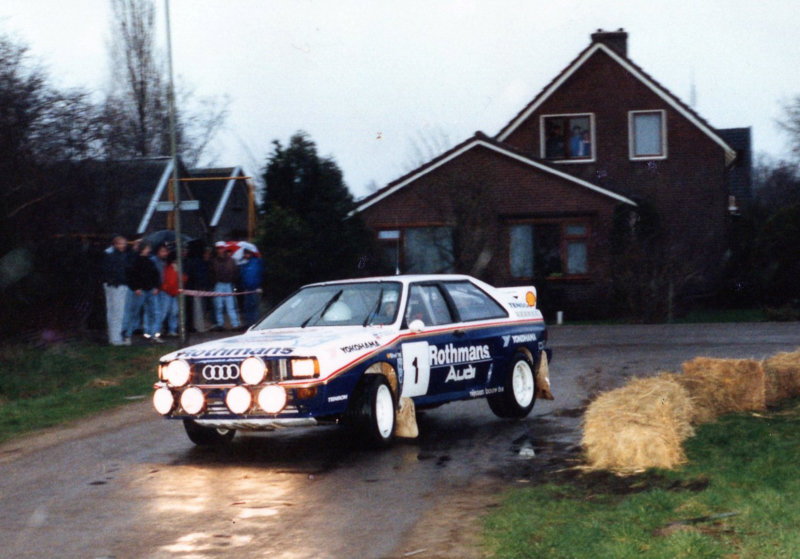
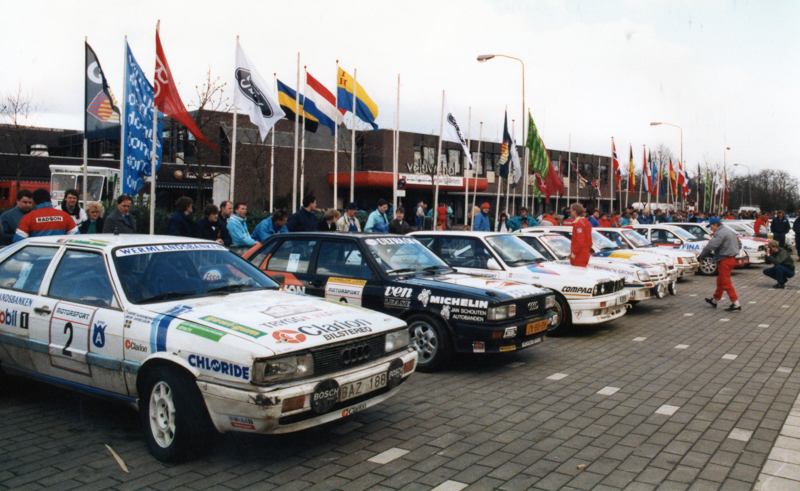
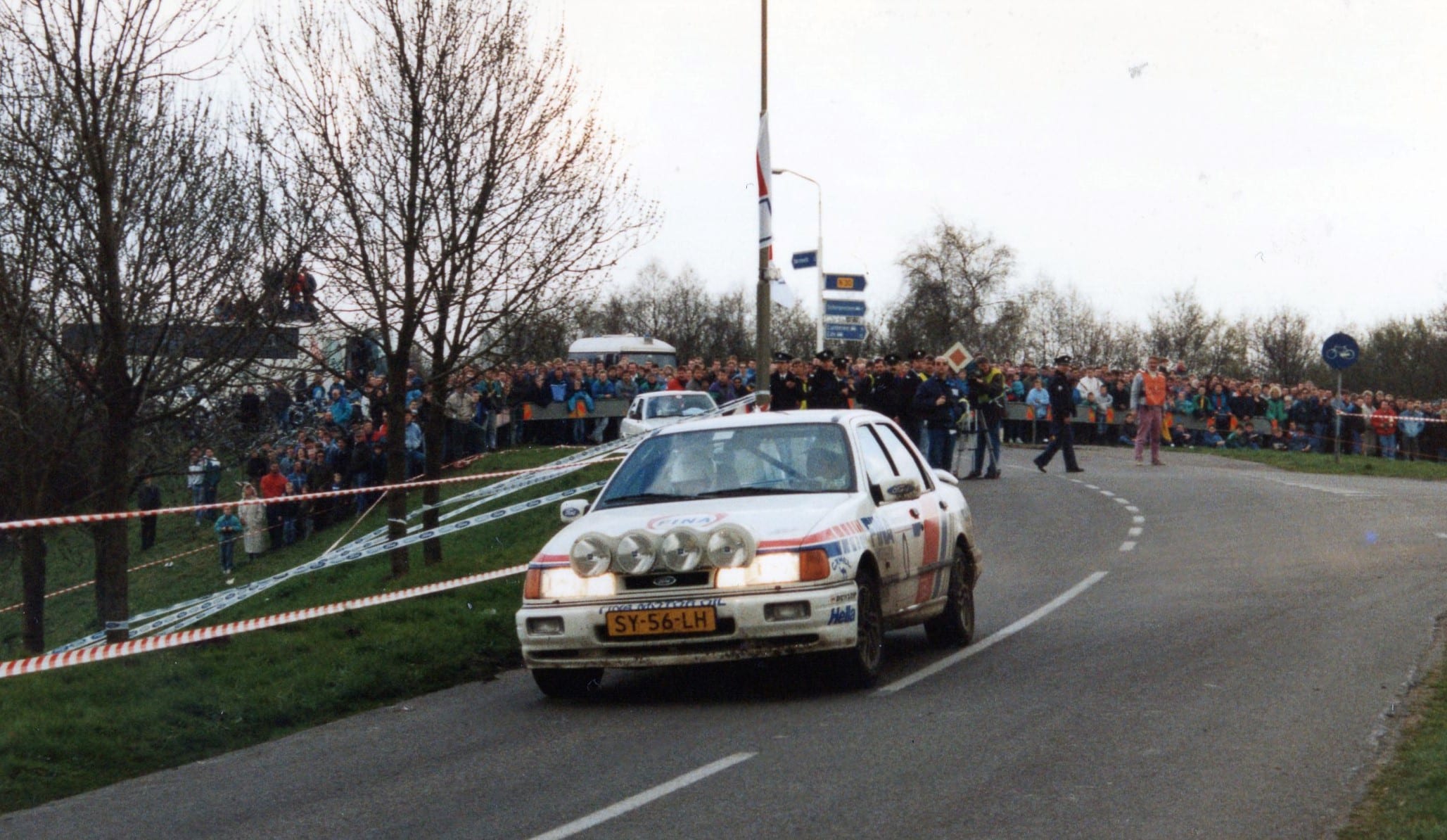
From 1976 the STAR organisation took the Tulpenrallye over. Gulf became an important sponsor, and with their backing three attractive editions were run. Start and finish were at Rotterdam and the route consisted largely of special stages in both Belgium and the Netherlands. The rally regained a good deal of its old lustre, helped by the entry of several works cars. Arguments over whether or not the stages had been reconnoitred legally led to a good many disputes and protests. After the 1978 edition STAR announced that they did not wish to continue, and the Amersfoort motor and automobile club A.M.A.C. took over. Under their chairman and clerk of the course Kees Stoel they combined the Tulpenrallye, from the autumn of 1979, with the AMAC Rally they had been running successfully for some years. The event was made up entirely of special stages within a compact area, starting and finishing at Amersfoort. With 75 crews it was one of the smallest Tulpenrallyes ever held, but it gave enough to build on. By 1980 there were 112 crews, yet 1981 again defeated the organisers and the thirtieth edition failed to take place. It did in 1982, when A.M.A.C. launched a new formula: all the stages within a very compact area, start and finish on the same day, and Barneveld as the base. The stages on the military training grounds of De Vlasakkers, Soesterberg, Stroe and Harskamp became central to the event. The formula caught on remarkably quickly and, with the Dutch importers actively supporting the national rally championship at the time, the event soon enjoyed a second heyday. Leading foreign competitors came to the start, the police put the crowds along the stages at around a hundred thousand, and the media interest was considerable. John Bosch won on his debut in 1985 in an Audi Quattro and took four victories up to 1991. It came to an end towards the end of the eighties. Permission for the stages grew harder to obtain, the Barneveld police wanted their full costs met, and the financial footing became steadily more precarious. No Tulpenrallye could be organised in 1990, and the 1991 edition brought the second flowering of the event to a close.
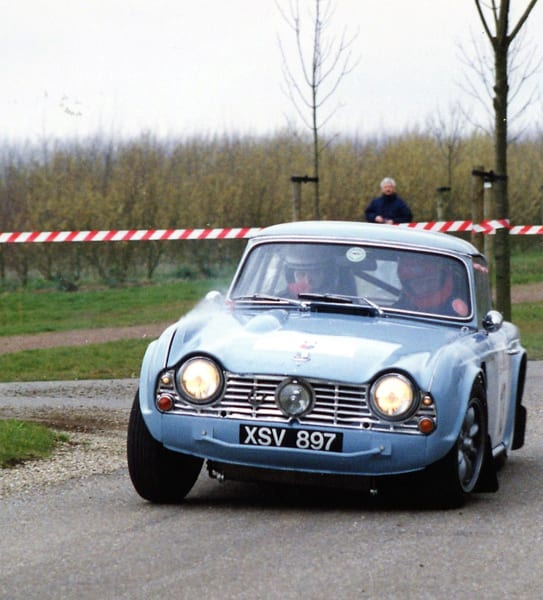
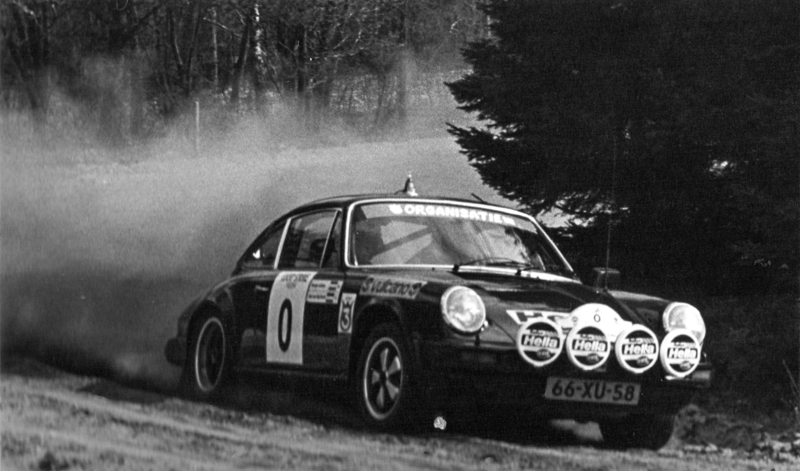
A.M.A.C. then decided to organise rallies for the FIA European Championship for historic rally cars. In the first year the event did not yet count towards it; in the second it did. The rally was run over closed special stages, driven flat out by the rally class and to a set average speed by the regularity class. Start and finish were at Barneveld and the rally ran over two days. Both editions were won by Peter van Merksteijn and Hans van Beek in a Porsche. The organisers could not get the entry numbers up, and after two editions the formula was abandoned.
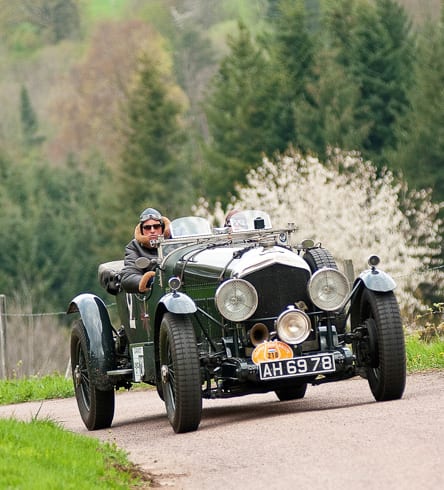
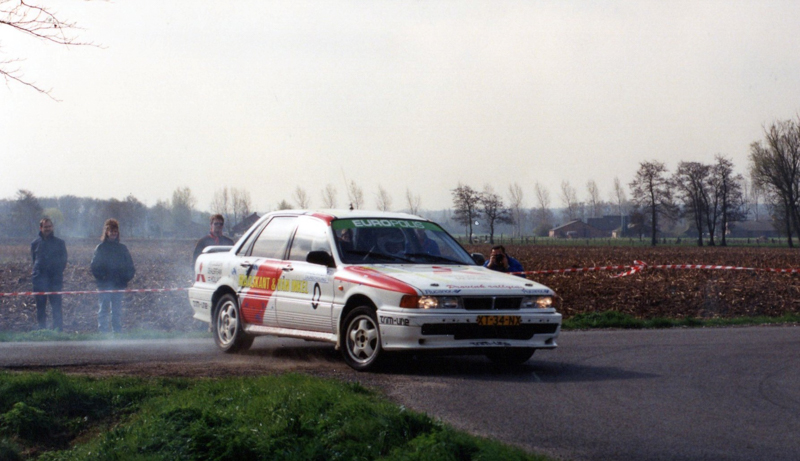
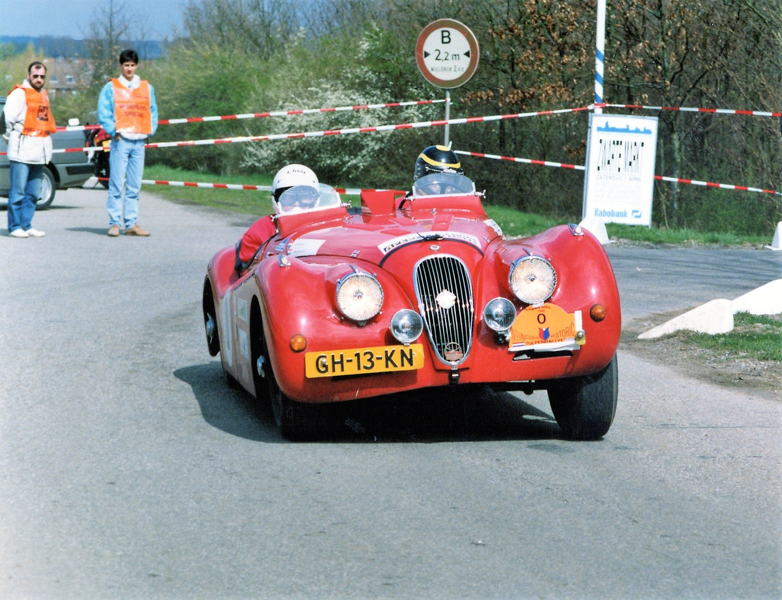
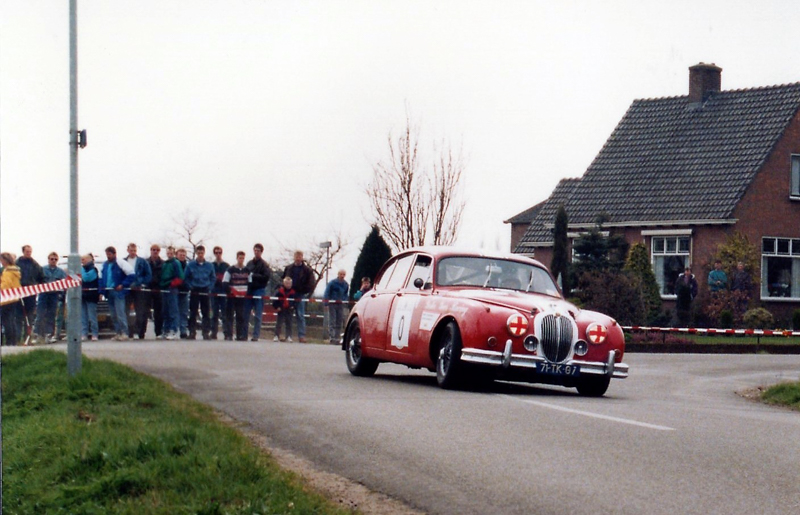
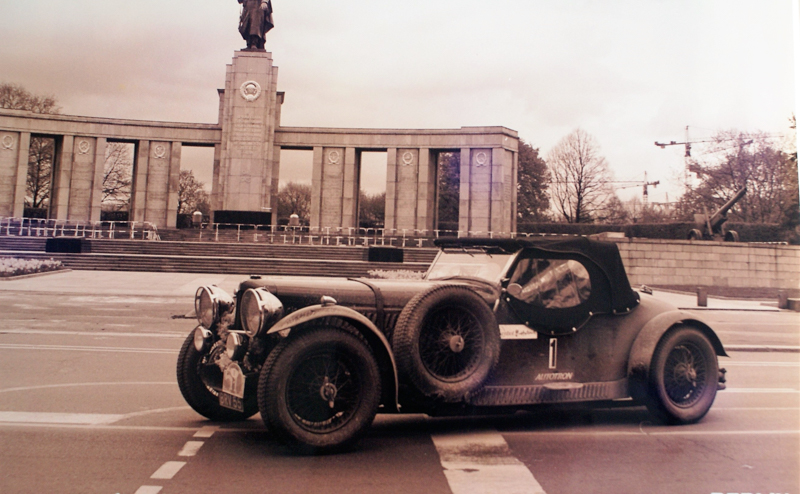
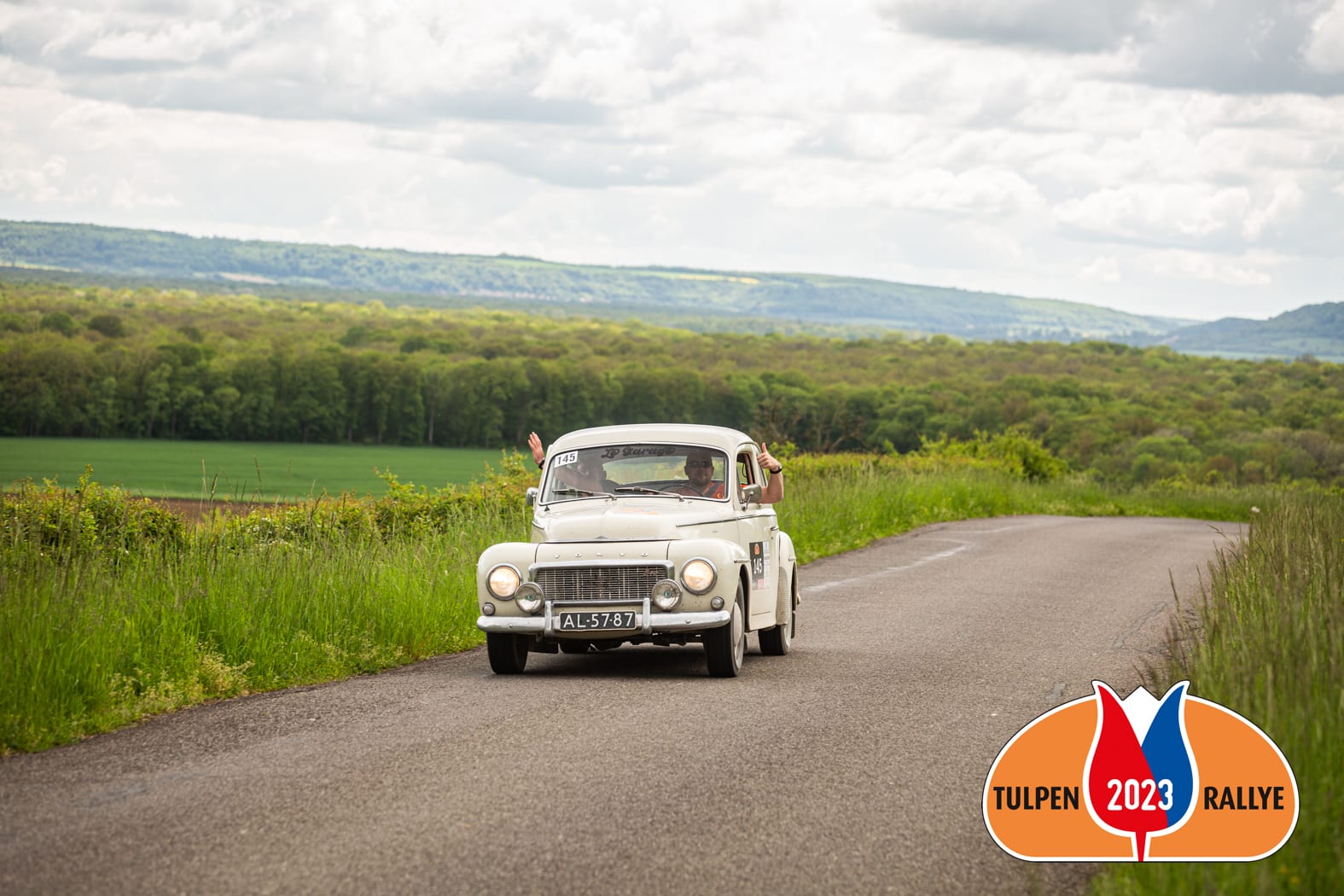
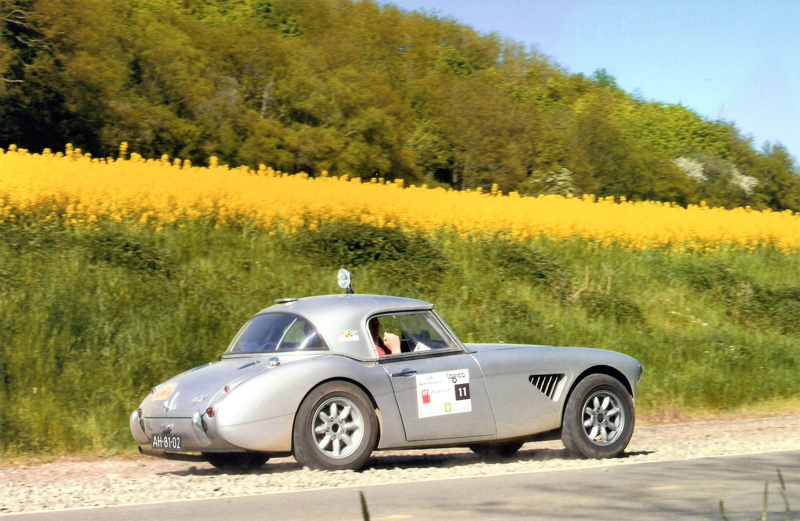
Chairman Kees Stoel announced that from 1994 the event would be run as a regularity rally for classic cars. Start and finish were at Noordwijk, where the rally returned for the first time since 1968. The route ran entirely on the public road, navigated by map reading, and followed the roads of the successful sixties as closely as it could. The formula took hold at once, with 155 entries in 1994 and more than 200 by 1997. The route was different every year, and a large group of competitors soon formed who came back annually. The event may have become a little less sporting and a little more touring in character, but the interest in it grew quickly. The third flowering had begun, and the Tulpenrallye's success led to more and more regularity rallies for classic cars being organised. In 1999 fifty years of the Tulpenrallye were marked with a route from Noordwijk to the Funkturm in Berlin and back again. In 2001 Bert Dolk won the rally, having also won in 1973, and that year Abe van den Brink took over as clerk of the course from Kees Stoel. For the fiftieth edition in 2003 the rally started abroad for the first time, and every historic Tulpenrallye has started abroad since, with the finish still at Noordwijk. Bert Dolk repeated his win from 2004 to 2006, and with five victories became the most successful competitor in the event's history. In 2013 the sixtieth edition was celebrated with a route starting at Noordwijk and finishing, after six days, on the Promenade des Anglais at Nice. That year Frank Pauli took over as chairman from Abe van den Brink, who remained clerk of the course. In 2015 Kees Stoel, honorary chairman of the Tulpenrallye, died; he had played a leading part in the organisation since 1979. The seventieth edition of "the Tulip" ran in six days from the start at the Guggenheim Museum in Bilbao, Spain, to the finish at the Hotel le Grand Pavillon in Paris-Chantilly, France.